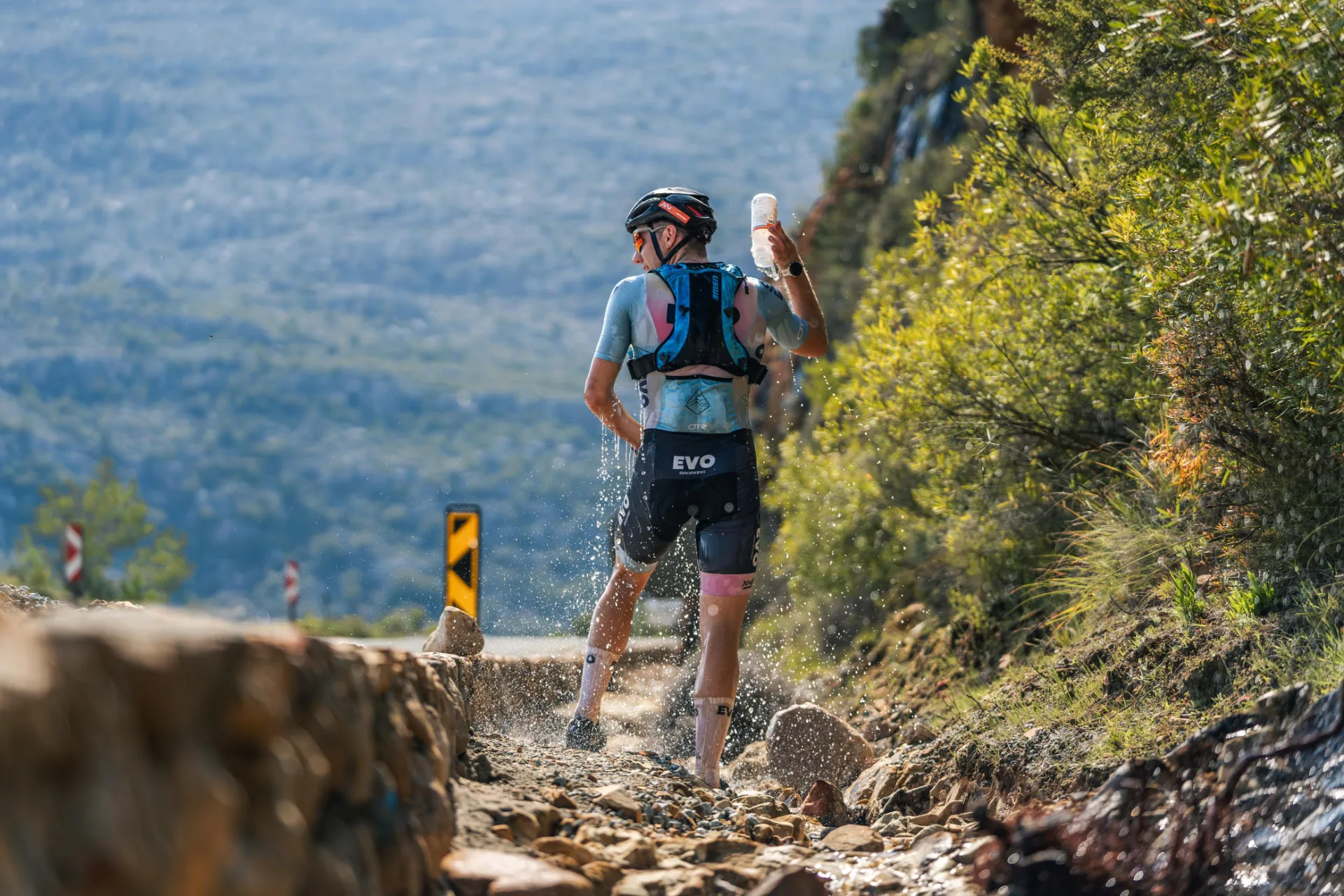
Racing in the heat is effectively a different event. Your heart has to send blood to your working muscles and to your skin for cooling at the same time, so the same pace or power costs more. The good news is that your body adapts to heat surprisingly quickly.
What changes when you acclimate
With repeated heat exposure, your body:
- Increases plasma volume, which helps support blood pressure and cooling
- Starts sweating earlier and more
- Lowers your heart rate at a given effort in the heat
- Keeps your core temperature lower for longer
- Makes hot sessions feel more manageable
Most of these changes happen within the first week, with further gains over about 10 to 14 days.
How to do it
Common approaches include:
- Training in the heat: 60 to 90 minutes of easy to moderate exercise in hot conditions on most days for 10 to 14 days
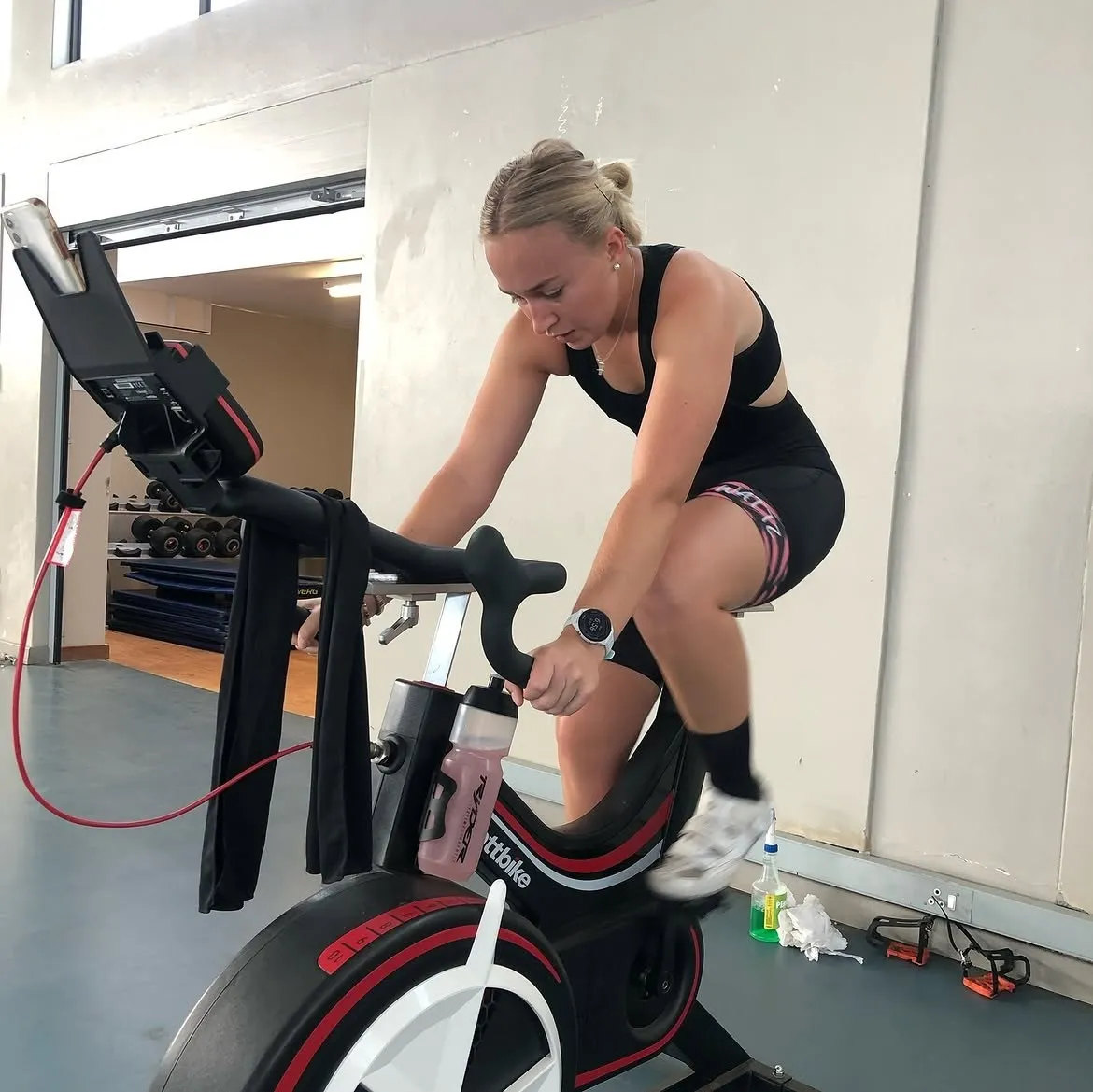
- Overdressing: wearing extra layers during indoor sessions to raise your body temperature
- Post-exercise heat: a hot bath or sauna straight after training
Keep intensity low to moderate during this period. The heat is the stimulus, not the effort.
Timing
Aim to finish your acclimation block in the 1 to 3 weeks before your event. Adaptations start to fade after a couple of weeks without heat, so a few top-up sessions help maintain them.
Stay safe
Heat training carries real risk. Drink to thirst and replace electrolytes, never train alone in extreme conditions, and stop immediately if you feel dizzy, confused, nauseous or stop sweating. Speak to a medical professional first if you have any heart, blood pressure or other health condition.