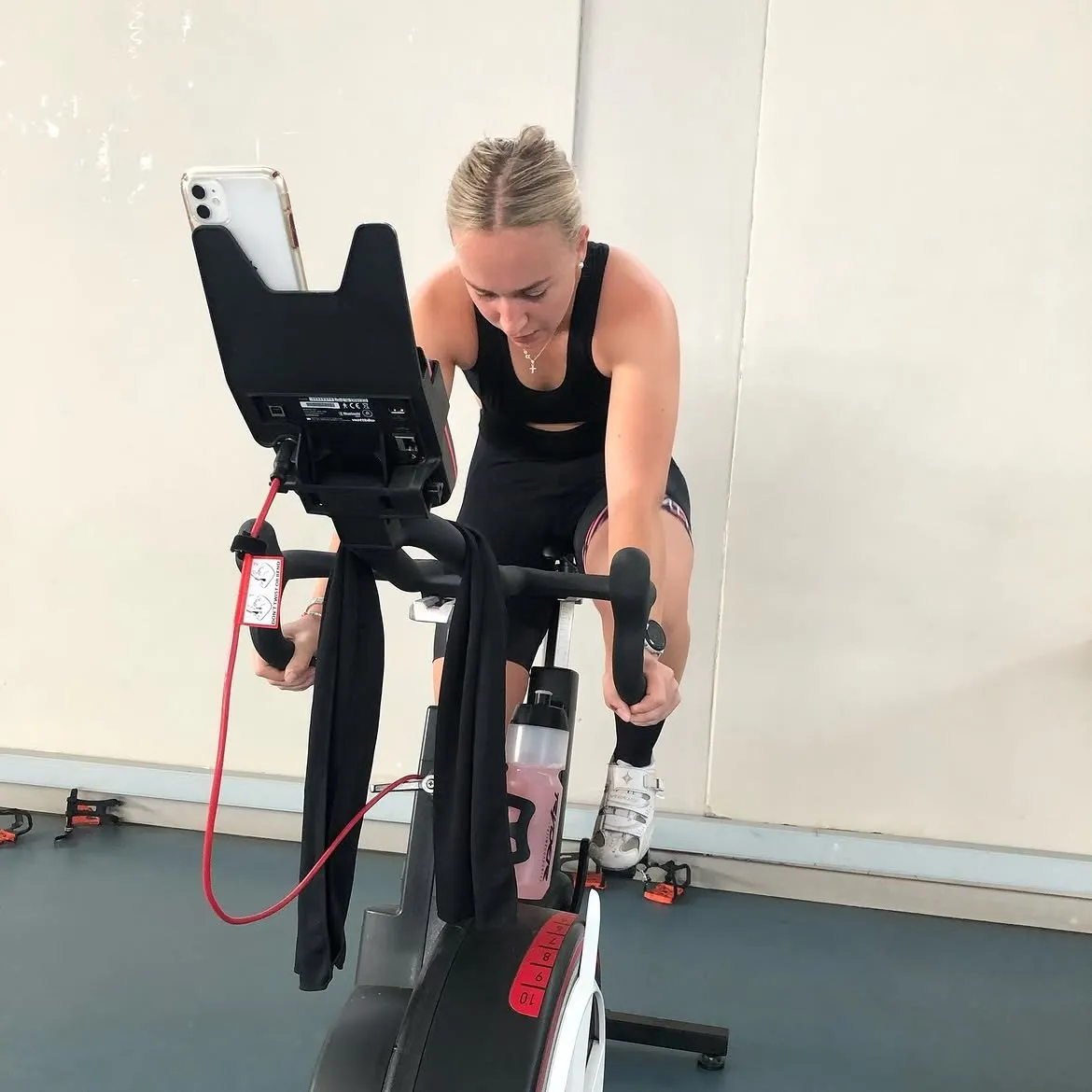
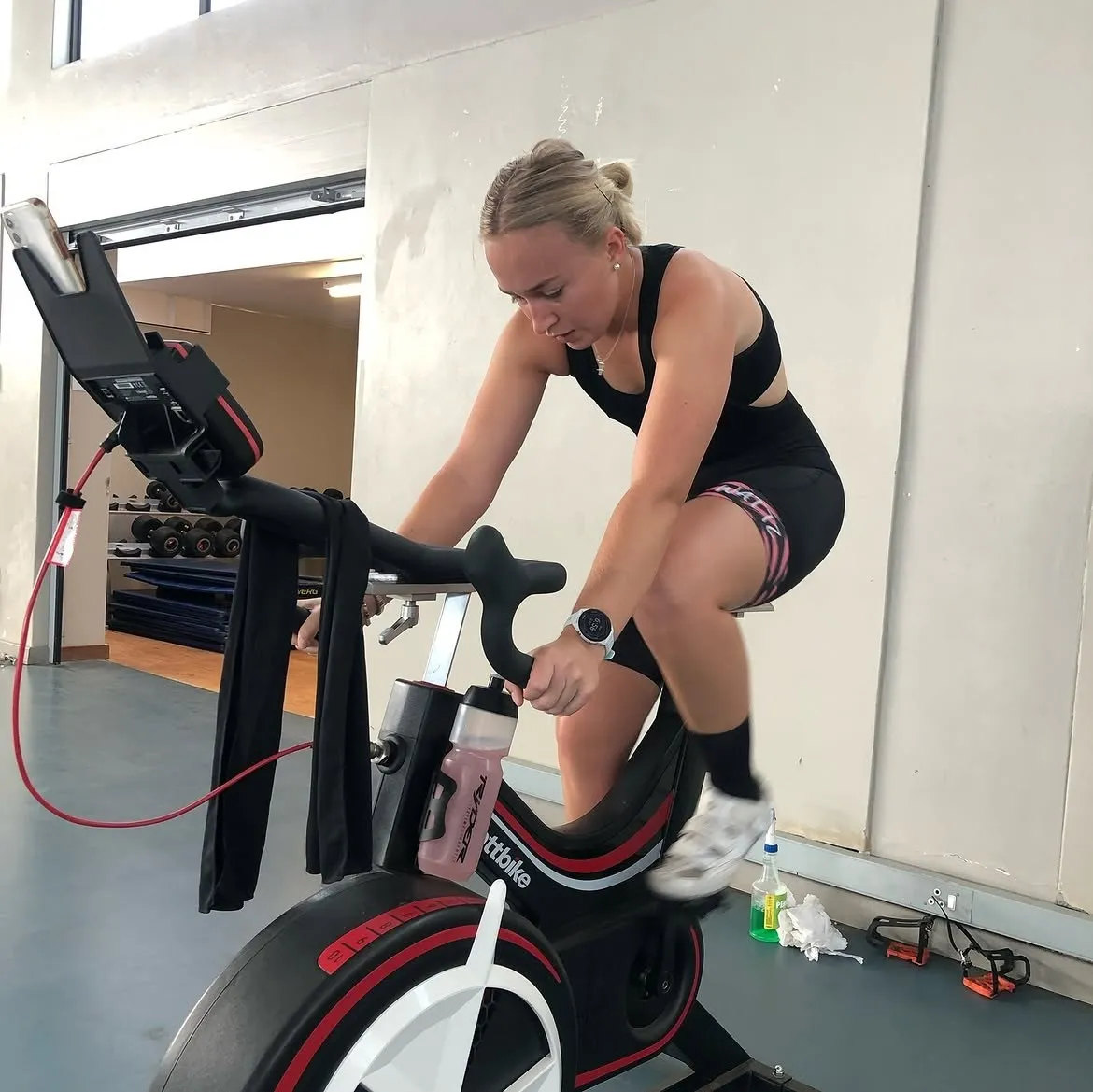
Most athletes know their max heart rate or their FTP. Far fewer know their two lactate thresholds, and those are the numbers that decide what "easy", "steady" and "hard" actually mean for your body.
What is lactate?
When you exercise, your muscles produce lactate all the time. At low intensity your body clears it as fast as it's made, so blood lactate stays close to resting levels. As intensity rises, production starts to outpace clearance and blood lactate begins to climb.
The first threshold (LT1)
LT1 is the first point where blood lactate rises meaningfully above baseline. Below it, you're working mainly aerobically and can keep going for hours. This is where most of your endurance training should sit. It's the intensity that builds your aerobic engine, improves fat use and lets you recover between harder sessions.
The second threshold (LT2)
LT2 is the highest intensity at which lactate production and clearance are still roughly balanced. Above it, lactate accumulates quickly and fatigue sets in fast. For a trained athlete, LT2 is roughly the effort you could sustain for 40 to 60 minutes. It's closely related to what many people call FTP or "threshold pace".
Why both matter
Between LT1 and LT2 sits the "grey zone": hard enough to make you tired, not hard enough to give the specific benefits of high-intensity work. Many self-coached athletes spend too much time here. Their easy days are too hard and their hard days aren't hard enough.
Knowing both thresholds lets us:
- Set heart rate, power and pace zones from your own physiology, not a formula
- Keep easy days truly easy, so you can absorb the hard days
- Target threshold work precisely, so each session does its job
- Track progress: a threshold that moves to a higher power or faster pace means real adaptation
How we find them
Lab testing measures blood lactate at increasing intensities and gives the most precise picture. Well-designed field tests, combined with heart rate, power and pace data from your training, also give us reliable estimates and are included for EVO Core athletes. We retest at the start of each training block, typically every 8 to 10 weeks.
Your zones should come from your body, not from an age-based formula.